Check Food Safety When Handling Raw Cookie Dough and Flour
Key Takeaway
It's tempting to taste cookie or cake batter before baking, but it's safer not to taste ordinary raw dough.
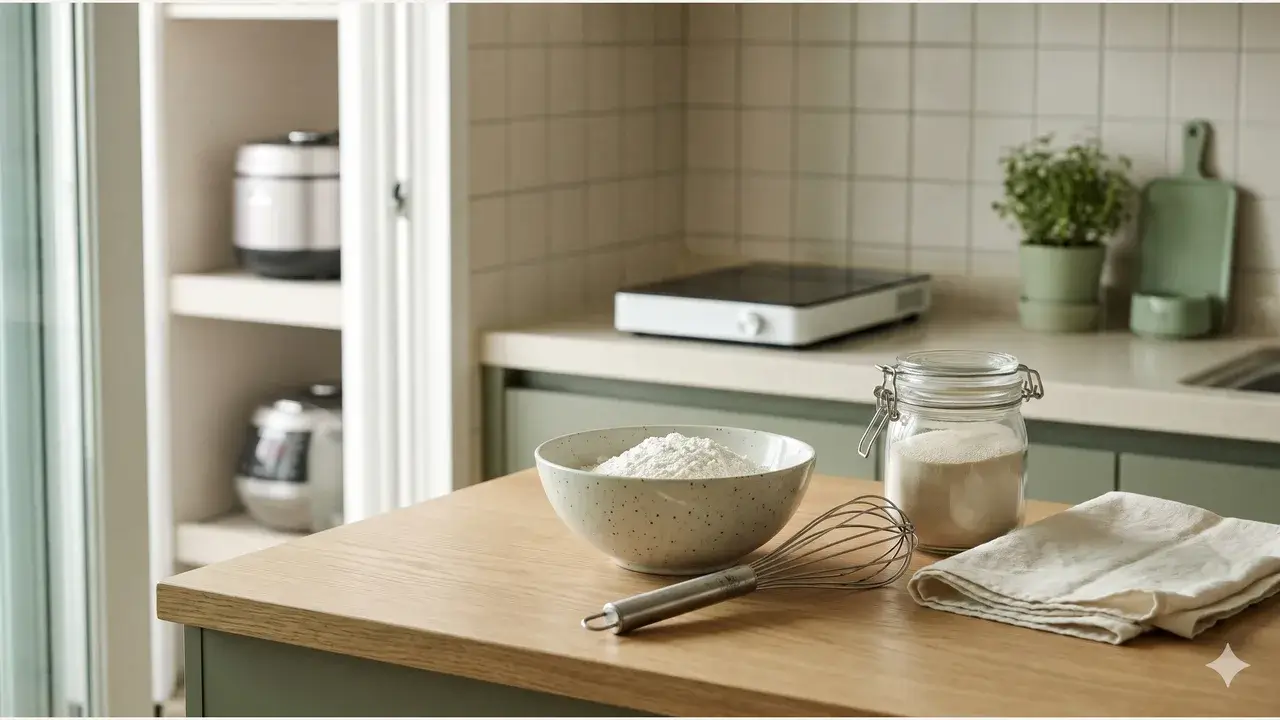
The US Centers for Disease Control and Prevention (CDC) says uncooked flour and raw eggs can contain germs that cause food poisoning. Skipping the egg doesn't make dough with ordinary raw flour safe to taste.
Does flour need cooking too?
Most flour is a raw food, the CDC explains, and it hasn't been treated to kill harmful germs. Grinding or bleaching the grain doesn't get rid of them. Germs such as E. coli or Salmonella can reach grain in the field, or flour during production.
The US Food and Drug Administration (FDA) also advises against eating or tasting raw flour or dough made with it. A clean package and dry-looking flour don't make it safe to eat uncooked.
What should you watch while mixing?
Don't taste ordinary flour-based dough before baking, whether it's for cookies, cake, pie or pizza. Skip licking the spoon or whisk you mixed it with. And don't let children play with dough made from raw flour.
| Situation | What to do |
|---|---|
| Mixing dough | Don't taste dough containing raw flour or eggs |
| Putting away mixing tools | Wash bowls, spoons and counters with hot, soapy water |
| Ingredients get on your hands | Wash hands with soap and water |
| Ready-to-eat food such as fruit is nearby | Keep raw ingredients separate from ready-to-eat food |
Flour is a powder, so it can spread to nearby surfaces. Clean anything that touched the dough before you handle food that will be eaten without further cooking.
How long should you bake it?
CDC advises cooking or baking raw dough before you eat it, at the temperature and for the time given in the recipe or on the package. Dough types and sizes vary, so no single time or temperature fits every bake.
If packaged raw dough or a product containing eggs comes with refrigeration directions, follow them until it's cooked. Chilling doesn't make raw dough safe to eat as it is.
Is edible cookie dough different?
CDC notes that some commercial cookie dough is made to be eaten without baking. Those products use heat-treated flour and pasteurized eggs, or no eggs. So check the label to make sure the product is meant to be eaten without cooking.
Don't mix ordinary homemade raw dough into ice cream or milkshakes. Heating flour at home doesn't guarantee that raw dough is safe to eat.
What needs cleaning afterward?
Wash bowls, utensils and counters that touched raw flour, raw eggs or dough with hot, soapy water. Wash your hands with soap and water too. And don't let ready-to-eat food or clean utensils get recontaminated after you've handled raw ingredients.
Checked November 2, 2026. See CDC's raw flour and dough guidance and the FDA's flour safety guidance, and read the package instructions for your ingredients and dough.
Frequently Asked Questions
Can dough be eaten raw if it has no eggs?
No. Ordinary flour can also be raw, so do not taste uncooked dough made with it.
Can every store-bought cookie dough be eaten raw?
No. Check whether the label says it is intended to be eaten without cooking and follow storage directions.
How should tools that touched flour be cleaned?
Wash bowls and counters with hot, soapy water and wash hands with soap and water.
Sources & Verification Date
- CDC food safety guidance on raw flour and dough · Verified
- FDA safety guidance on raw flour · Verified
All materials have been verified from official announcements and may have changed since verification.