Separate chilling and freezing when preparing autumn pie dough ahead
Key Takeaway
Well-wrapped, unfilled pie dough can stay in the fridge for 2–3 days. Consider freezing for longer storage, and check your formula's storage instructions too.
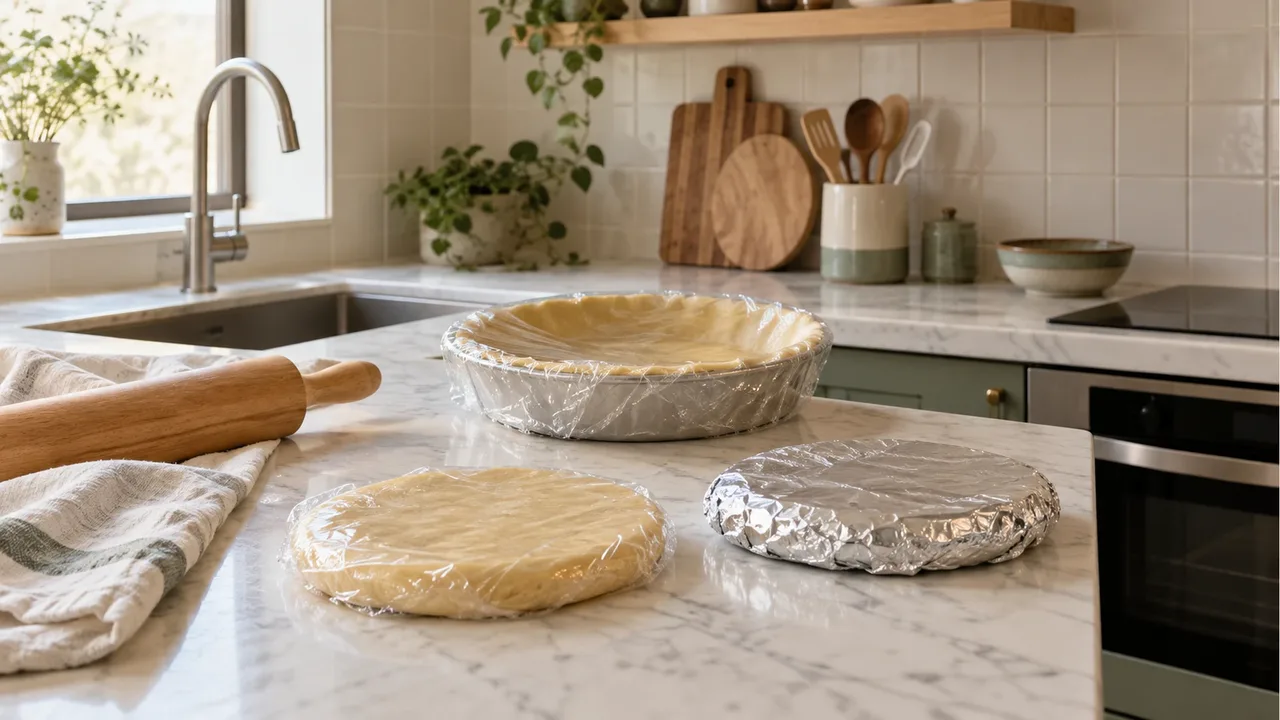
How do you distinguish resting from longer storage?
The pie crust guide referenced here uses shortening and butter, with a fridge rest of 30 minutes to overnight. Distinguish resting dough before handling it from storing it for a later bake.
| Storage method | Period | Conditions |
|---|---|---|
| Fridge | 2–3 days | Wrap unfilled dough well |
| Freezer | 2 months | Check your formula's storage instructions too |
Freezer periods differ between sources; this article uses the pie crust guide's 2 months as a management limit, not a universal safety deadline.

How should you wrap it and roll it again?
For longer storage, wrap the dough in plastic first, then foil, sealing it well. Label the package with the date made and the date frozen. Keep both if they differ, and add the recipe name.
Thaw frozen dough overnight in the fridge. Before rolling, check that it is cold but workable with a rolling pin. Plan to move it to the fridge the day before baking.
What precautions apply during storage?
Cook dough before eating; do not taste raw flour dough even without eggs. If you have a wheat or milk allergy, check the original recipe's ingredients and your product labels.
These periods concern unfilled pie dough. Do not use the table to set storage periods for finished fruit pies, custard pies or yeast doughs. If preparing other formulas at the same time, label the containers with the dough type too.
Frequently Asked Questions
Can you apply these periods to every pie dough?
Check each formula's storage instructions too. This article's management limit does not guarantee a safe storage period for every dough.
Do these periods also apply to finished pies?
They apply only to unfilled dough. Check separate storage instructions for finished pies, custards and yeast doughs in their recipes.
Where should you check for wheat and milk allergens?
Check both the original recipe's ingredient list and the labels on the products you will use.
Sources & Verification Date
- Refrigerating pie dough and thawing it in the fridge · Verified
- Resting and freezing shortening-and-butter pie dough · Verified
- U.S. Food and Drug Administration guidance on flour and raw dough safety · Verified
All materials have been verified from official announcements and may have changed since verification.